
The Void of Deviance
Play The Void of Deviance
The Void of Deviance Screenshots
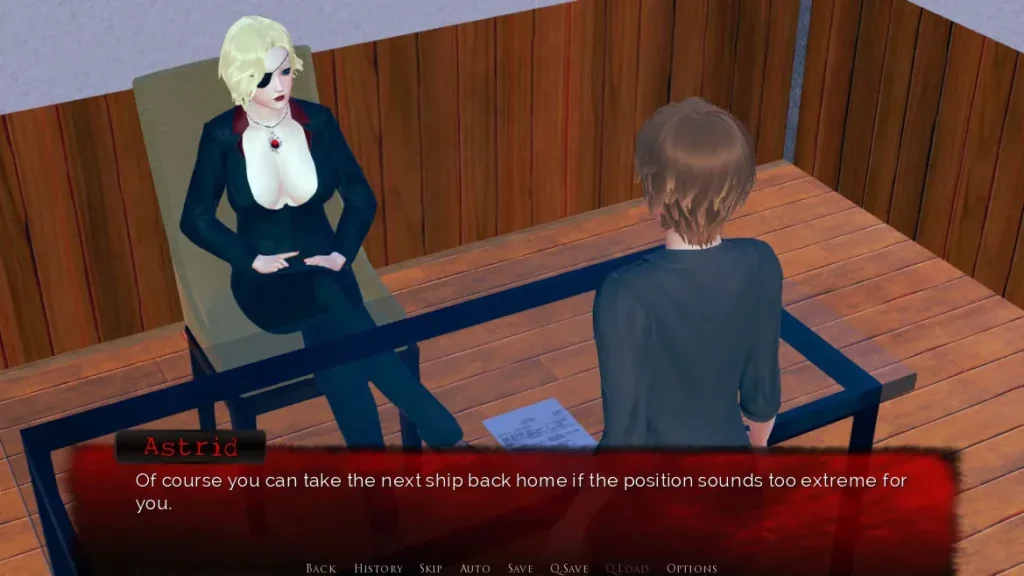

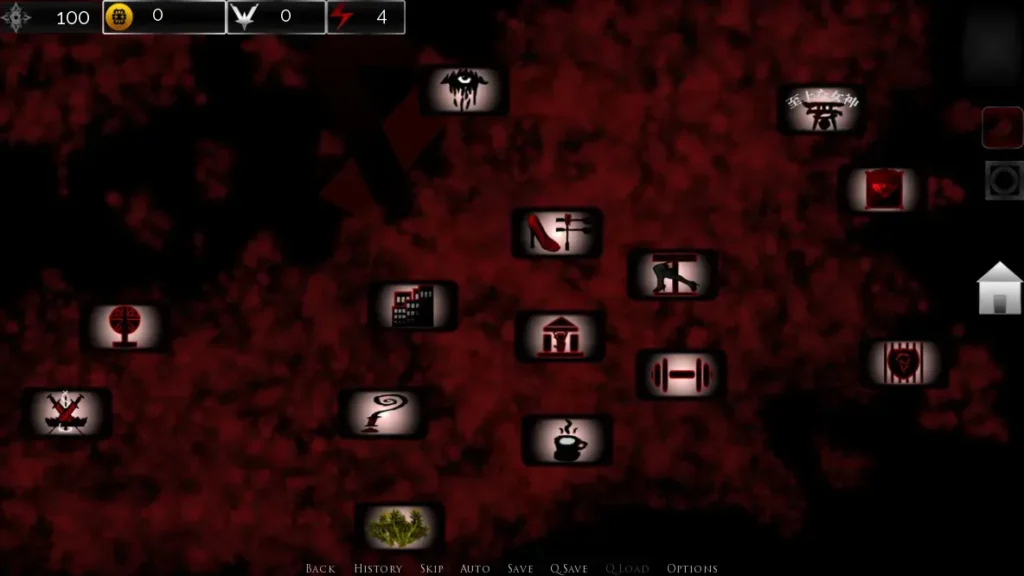



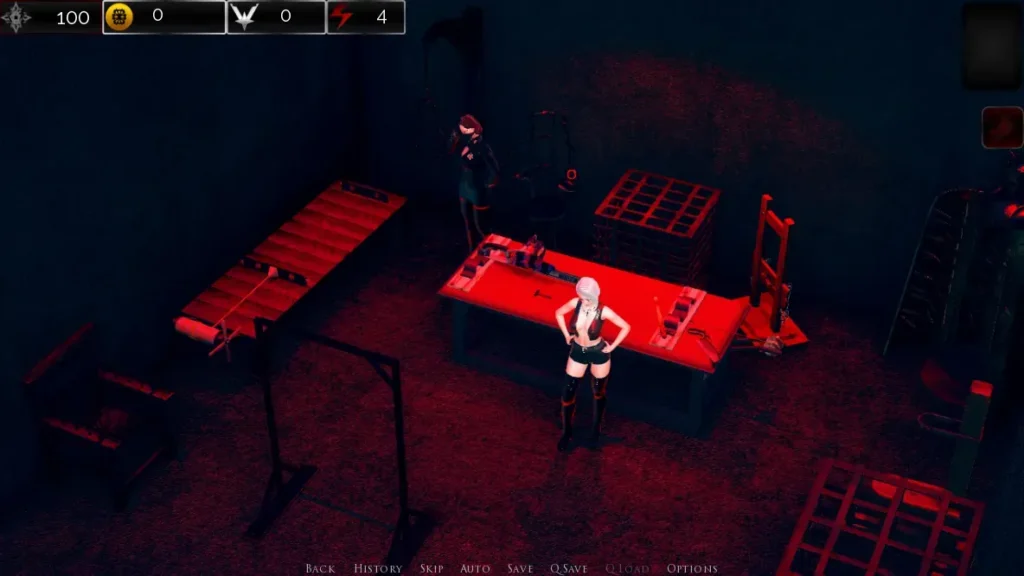

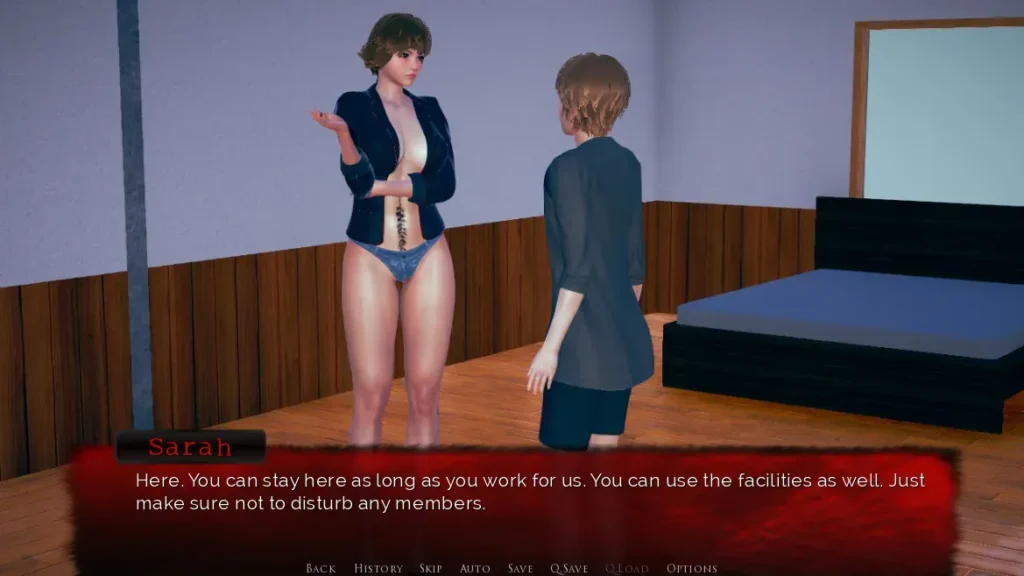




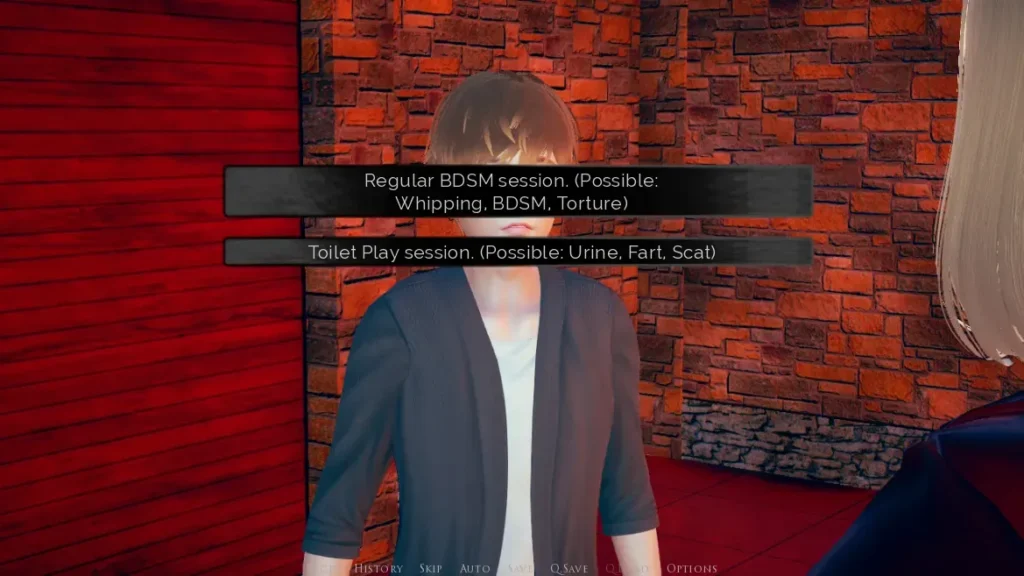
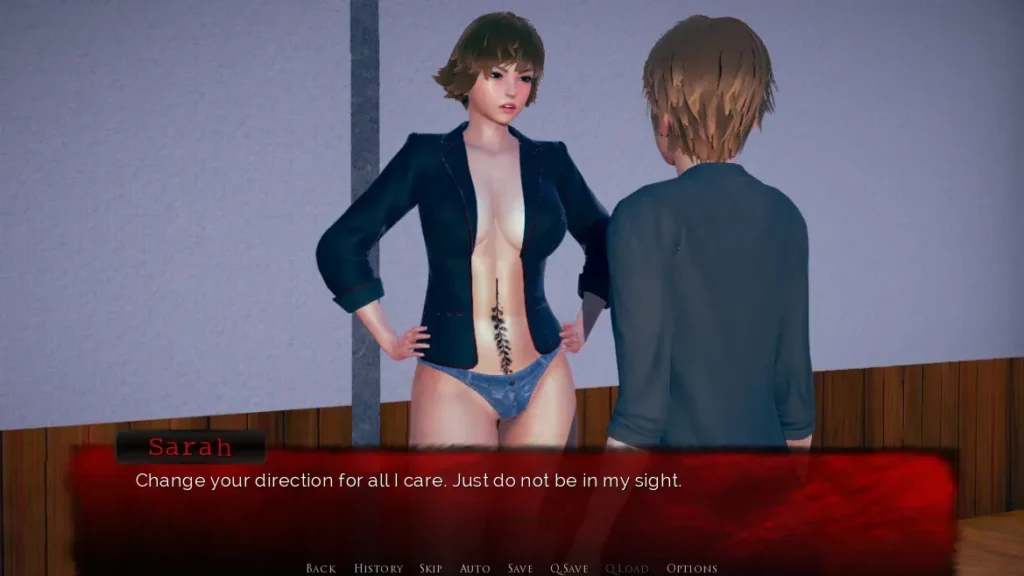
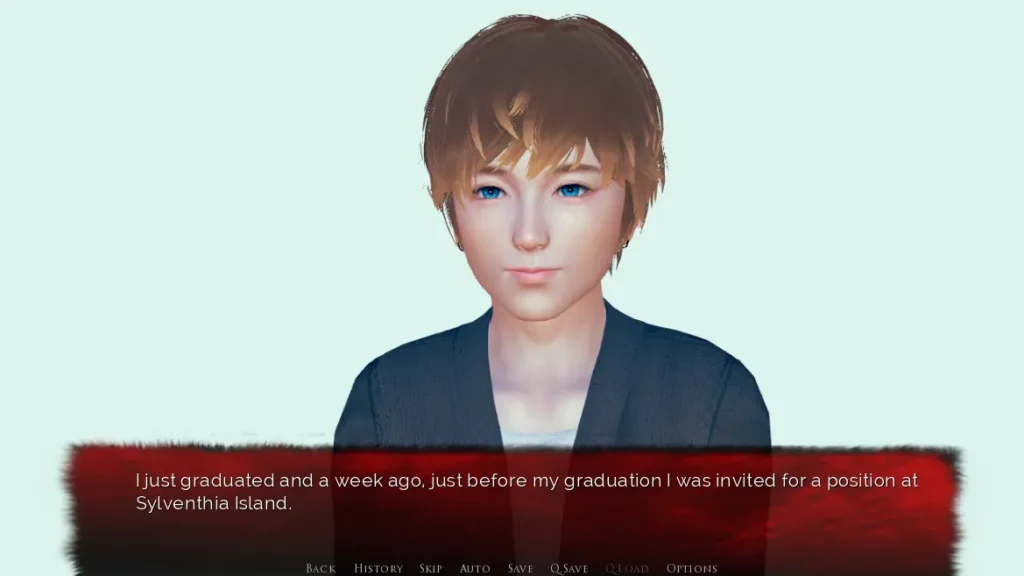

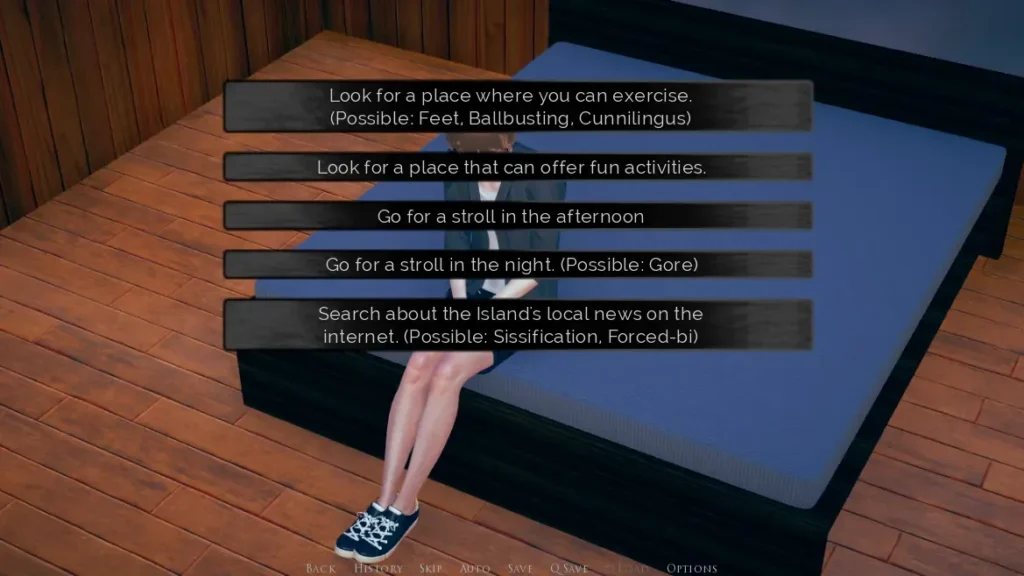
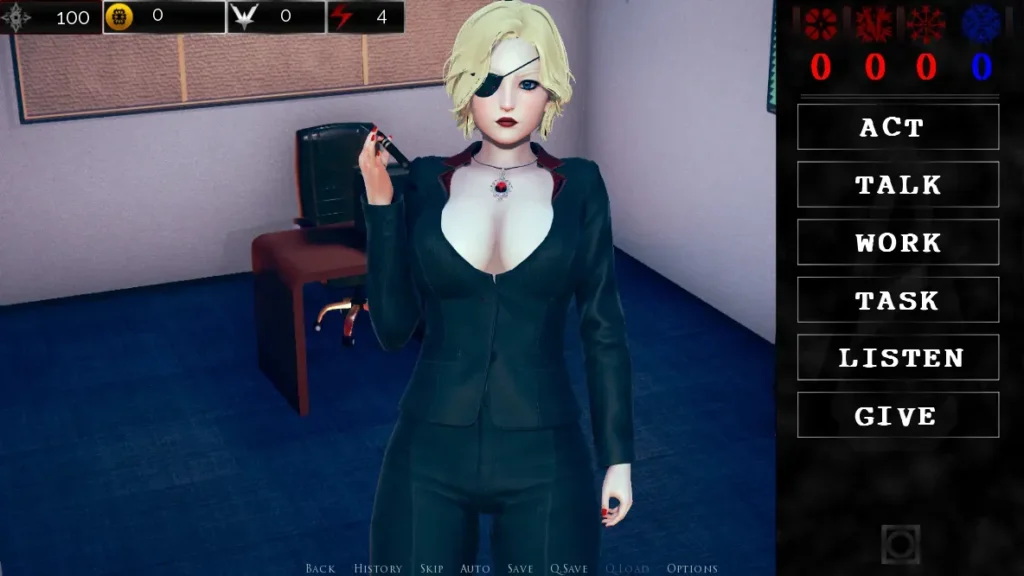






The Void of Deviance review
Explore Sylventhia Island’s mysteries, gameplay mechanics, and character interactions in this choice-driven adult adventure
The Void of Deviance stands out as a narrative-driven interactive experience set on the mysterious Sylventhia Island. Players assume a role at BanKval, a corporate entity central to the game’s intrigue, where they uncover island secrets through choice-driven gameplay and character interactions. This guide explores the game’s rich storytelling, unique mechanics, character dynamics, and how players can navigate the experience. Whether you’re curious about the narrative structure, gameplay systems, or character relationships, this comprehensive overview provides everything you need to understand what makes The Void of Deviance a distinctive interactive adventure.
Understanding The Void of Deviance: Story, Setting, and Core Gameplay
Stepping into The Void of Devitude feels less like starting a game and more like accepting a strange, compelling job offer. One moment, you’re a hopeful professional; the next, you’re disembarking on the rain-slicked docks of Sylventhia Island, your new home for a one-month internship at the enigmatic BanKval corporation. This isn’t your typical fantasy realm; it’s a place where the mist hides more than just coastline, and your office keycard might be the most important tool in your inventory. The core of The Void of Deviance gameplay is this brilliant duality: navigating a corporate ladder by day and unraveling whispered secrets by night. Every polite email, every completed report, and every coffee break conversation is a thread you can pull, potentially unraveling the island’s deepest truths or getting you politely shown the door.
The magic—and the tension—lies in how these layers interact. You can’t brute-force your way to the truth of the Sylventhia Island mysteries. You have to work for it, literally. This unique blend of professional simulation and narrative discovery is what makes the experience so immersive and rewarding. Forget passive observation; here, you live the mystery.
The Void of Deviance narrative foundation and Sylventhia Island setting 🏝️🔍
Sylventhia Island isn’t just a backdrop; it’s a character in its own right, and arguably your most ambiguous relationship. From your first glimpse, it presents a facade of austere beauty and corporate efficiency. BanKval’s imposing headquarters loom over a community that seems to exist solely to support it. The streets are clean, the locals are… reserved, and the ever-present sound of the sea serves as a constant, murmuring reminder of the island’s isolation.
But scratch that polished surface, and the Sylventhia Island mysteries begin to bleed through. Why do some long-term residents speak in cautious half-sentences? What lies in the restricted zones marked on your employee map? The island’s history is a palimpsest, with older, stranger stories written beneath the corporate brand. You’ll find clues not in dungeons, but in archived company newsletters, in the tired eyes of a senior manager, or in the odd, anachronistic architecture of a forgotten village sector. The environment is your primary text for interactive story exploration. Examining a weathered statue in the town square or noting the heavy security around a “maintenance wing” at BanKval are active choices that feed your understanding and open new dialogue branches.
I remember in my first playthrough, I was so focused on impressing my boss that I treated the island itself as mere scenery. I rushed from my dorm to the office and back. It was only when I deliberately spent a weekend “exploring”—clicking on everything, talking to shopkeepers about more than just purchases—that I stumbled upon a hidden community garden. A simple, heartfelt conversation there with an elderly resident gave me context for a cryptic memo I’d found in the archives, weaving together a personal tragedy with a corporate cover-up. The game doesn’t shout its secrets; it whispers them, and you must choose to listen.
Your role at BanKval and the job mechanics 💼⚙️
This is where The Void of Deviance truly innovates. You are not a chosen hero. You are an intern. Your power stems from your position, and your primary interface with the world is your BanKval job role mechanics. Each workday presents you with tasks: compile data, analyze reports, run errands between departments. These aren’t mundane fillers; they are your central gameplay loop and your key to access.
Your performance and choices at work directly dictate your narrative access. Ignore your assigned tasks to snoop on your boss, and you might gain a juicy piece of gossip but receive a poor performance review. A poor review doesn’t mean “game over,” but it does limit your mobility and credibility. Senior staff won’t share sensitive information with a slacker. Conversely, excelling at your job earns you trust, better assignments, and access to higher-security areas of the building—areas where the most intriguing files are kept.
The corporate hierarchy is your progression system. Need to get into the Logistics wing? You might need to first build a good rapport with your department head, who can authorize your clearance. The BanKval job role mechanics create a brilliant, organic pressure. You’re constantly balancing the need to appear as a conscientious employee with the burning desire to investigate the strange occurrences you’re witnessing. It turns every interaction into a potential mission.
| Work Task Type | Primary Effect | Narrative / Mystery Consequence |
|---|---|---|
| Routine Report Analysis | Increases Performance Metric | May reveal numerical anomalies or hidden project codes within the data. |
| Inter-Departmental Errands | Builds rapport with specific departments | Grants physical access to new areas and overhear corridor conversations. |
| Discretionary “Optional” Tasks | Low performance reward, high risk | Often the direct path to clandestine meetings or uncovering hidden objects. |
| Socializing at Company Events | Builds personal trust with colleagues | Unlocks personal storylines and alternative information sources. |
This system seamlessly integrates with the broader The Void of Deviance gameplay. You’re never just “doing a job minigame”; you’re always advancing the plot, building your character’s standing, or gathering clues. It makes the world feel incredibly cohesive and real.
- Key Gameplay Elements & Systems You’ll Encounter:
- The Performance Tracker: Your corporate “health bar.” Keep it high for access, let it dip for freedom.
- The Trust Meter: Separate from performance, this is your personal capital with individual characters. It’s the currency for confidences and alliances.
- The Office Network: Your email and internal messenger are vital tools for communication and receiving tasks.
- The Island Map: Unlocks new areas as your clearance and relationships grow, enabling deeper interactive story exploration.
- The Personal Log: Automatically updates with your thoughts on clues and people, helping you piece together the Sylventhia Island mysteries.
Choice-driven gameplay and mystery exploration 🧭✨
If the job is the engine, player agency is the steering wheel. The Void of Deviance is a choice-driven narrative game through and through. There is no single “correct” path. Every decision, from how you handle a workplace conflict to who you choose to have dinner with, branches the narrative. The game masterfully transitions from a more structured visual novel setup in the early days to a dynamic, open-ended experience where you must manage your time, energy, and relationships.
The mystery discovery mechanics are entirely player-driven. The game won’t pop a quest marker over a suspicious book. You must examine the bookcase, choose to look at the book, read its contents, and then decide what that information means and who to share it with. Secrets are revealed through:
* Environmental Interaction: Reading posters, examining documents on desks, noticing who leaves work late.
* Conversation Depth: Choosing between professional, personal, or probing questions in dialogue trees.
* Document Correlation: Connecting a fact from a financial report with a rumor you heard at the bar.
Pro Tip: Your in-game phone’s notes app is your best friend. Jot down names, inconsistencies, and questions. The game expects you to pay attention and remember.
Let me give you a concrete example of how player choices affect story progression. Early on, you might discover that a colleague, Elara, is taking unauthorized samples from a restricted lab. You have several options:
1. Report her to management immediately. This boosts your performance score, earns favor with superiors, but Elara is fired. Her entire storyline and the unique information she holds are permanently sealed off.
2. Confront her privately. This risks a personal confrontation and lowers your immediate standing if you cover for her, but it opens a path to an alliance. She may share her reasons, leading you to a hidden environmental clue she was investigating.
3. Blackmail her for your own benefit. This could give you short-term leverage or access, but drastically lowers her trust and may create a vengeful enemy later.
4. Do nothing and observe. You lose an immediate opportunity, but you might later find evidence contextualizing her actions, allowing for a more informed—and powerful—choice later.
This is the heartbeat of the choice-driven narrative game. There’s no autopilot. The narrative bends and shapes itself around your ethics, your curiosity, and your mistakes.
The prologue itself is framed by this philosophy. Your one-month internship is a fixed timeline. You can reach its conclusion having barely scratched the surface of the island’s secrets, now a full-time employee with a long, conventional career ahead. Or, your investigations might trigger an early ending scenario—perhaps you get fired for misconduct, or you uncover something so dangerous you must flee the island. These aren’t failures; they are valid, compelling conclusions to your particular story.
Ultimately, every system in the game orbits around one core concept: Trust is your currency. It’s more valuable than money. Your character interaction system is a delicate dance of building this trust. Interactions range from obligatory professional deference to your bosses, to cautious camaraderie with fellow interns, to potential romantic or strategic alliances with key figures. The depth of the character interaction system means that learning someone’s favorite drink or understanding their personal grief can be more useful than any keycard. When trust is high, characters will hand you secrets freely, ask for your help with sensitive tasks, and provide you with cover when you need it most. Betray that trust, and doors—both literal and figurative—will slam shut.
This is the essence of The Void of Deviance gameplay. It’s a game that respects your intelligence and rewards your engagement. You explore Sylventhia not with a sword, but with a keen eye and a carefully crafted persona. You solve its mysteries not through combat stats, but through perception, social maneuvering, and the courageous, often difficult choices you make when no one is watching. Your journey is uniquely yours, dictated entirely by the role you choose to play within the void.
The Void of Deviance offers a distinctive blend of narrative depth, player agency, and interactive storytelling set against the mysterious backdrop of Sylventhia Island. From its intricate mystery system and corporate hierarchy mechanics to its nuanced character relationships and customizable content features, the game provides players with meaningful choices that shape their experience. The female dominance theme creates unique power dynamics that distinguish it from traditional interactive narratives, while the skippable content system ensures players maintain control over their experience. Whether you’re drawn to the mystery-solving aspects, character interactions, or the game’s evolving narrative structure, The Void of Deviance delivers a comprehensive interactive adventure. As the game continues development, new content and features promise to expand the experience further, making it worth revisiting as updates become available.