My Best Friend’s Daughter
Play My Best Friend’s Daughter
My Best Friend’s Daughter Screenshots

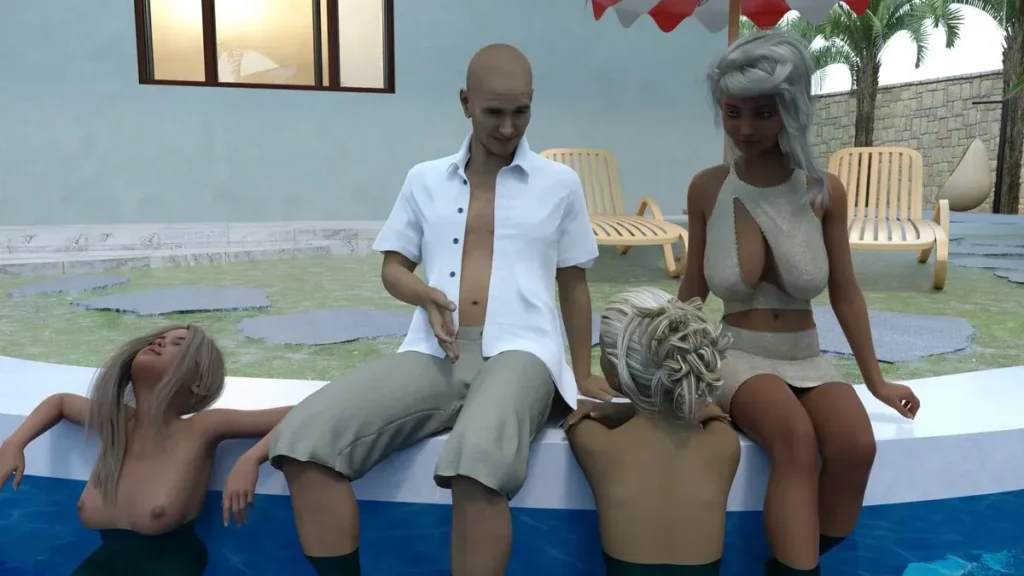



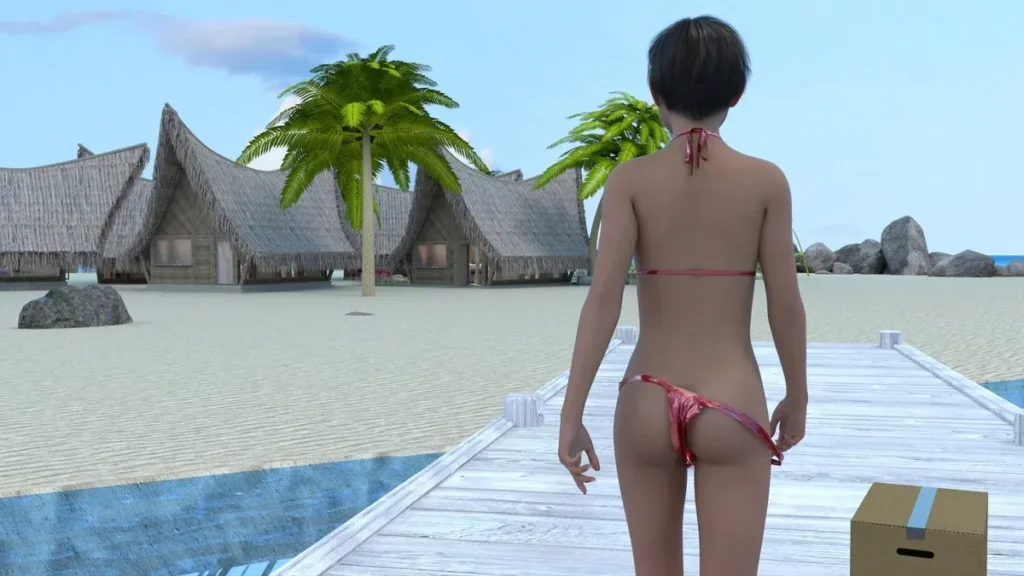
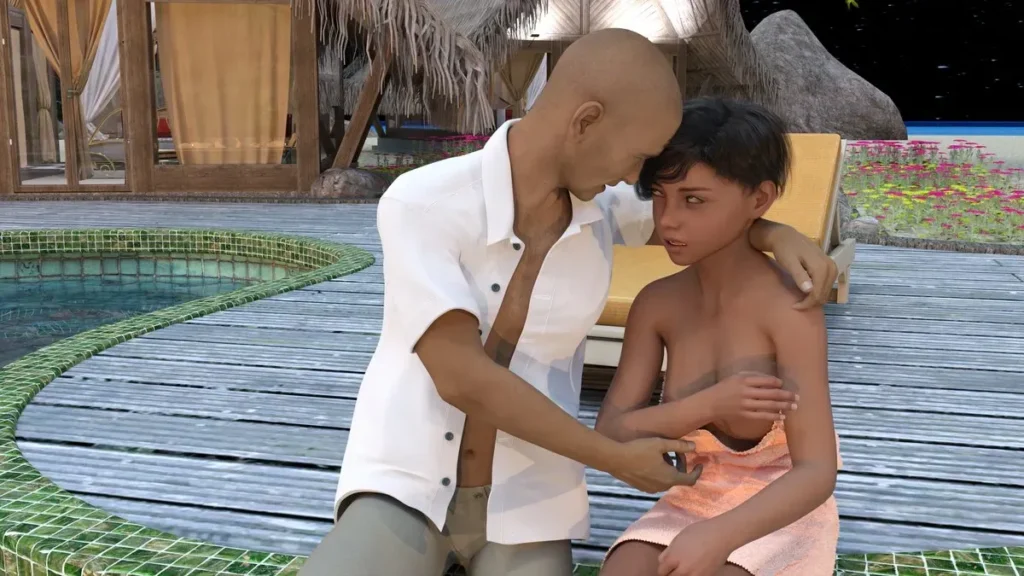




My Best Friend’s Daughter review
Story, choices, and practical tips for getting the most out of My Best Friend’s Daughter
My Best Friend’s Daughter is one of those visual story games that quietly pulls you in and refuses to let go. The mix of everyday slice-of-life moments, slow character development and branching choices makes it easy to lose track of time. When I first tried My Best Friend’s Daughter, I honestly expected a simple, linear plot. Instead, I found myself carefully weighing every dialogue option, wondering how it might change the relationships, future scenes, and even entire routes. In this article, I’ll walk you through how the game is structured, what makes the story engaging, and the practical decisions that helped me get the most out of each playthrough.
How My Best Friend’s Daughter Works: Story, Routes and Choices
So you’ve heard about My Best Friend’s Daughter game and you’re curious about what you’re getting into. Maybe a friend mentioned it, or you saw it pop up in a forum. 🤔 Whatever brought you here, welcome! I’m here to pull back the curtain and give you the real scoop on how this story works. This isn’t just a quick click-through; it’s a choice based visual novel where your decisions truly matter, weaving a different tale every time you play.
Think of this chapter as your friendly map before the journey. We’re going to break down the premise, explain how your choices build the story’s paths, and I’ll even share a cringe-worthy story from my first disastrous playthrough. Consider this your essential My Best Friend’s Daughter beginner guide to understanding the narrative engine before you even click “New Game.” Let’s dive in!
What is My Best Friend’s Daughter really about?
At its heart, My Best Friend’s Daughter is a story about reconnection, complicated history, and the quiet dynamics of a household. You don’t play as a blank slate; you step into the shoes of a character returning to a town after some time away, rekindling a friendship with your old best friend. The hook is in the title: you’re becoming a part of his life again, which includes his home and his daughter, who is now a young adult.
Forget about action sequences or complex puzzles. 🎭 The My Best Friend’s Daughter game is driven entirely by narrative and character. You’ll spend your time in conversations, making dialogue choices, and observing the subtle shifts in relationships. It’s a slow-burn, character-driven storytelling experience where building trust, understanding personalities, and navigating delicate situations is the entire game.
Scenes unlock over a period of in-game days, often mirroring a real-time pace that makes the story feel personal and lived-in. A morning chat over coffee, helping with a chore in the afternoon, a hesitant conversation in the evening—these are the moments that build the tapestry. Your dialogue decisions in these moments are everything. They quietly increase or decrease your connection with characters, lock or unlock specific heartfelt or tense scenes, and gently steer you toward one of several My Best Friend’s Daughter routes. It’s less about “winning” and more about discovering a version of the story that feels true to the choices you make.
How your choices shape the main routes
This is where the magic of My Best Friend’s Daughter happens. The game uses a beautifully subtle branching path system. There’s no flashing “THIS IS A MAJOR DECISION” sign (usually!). Instead, the story branches based on the cumulative weight of your small, everyday interactions. It rewards attention and consistency.
Think of your relationship with each character as a hidden meter. Every time you choose to be supportive versus distant, respectful versus careless, or honest versus evasive, you’re adding a point to one side or the other. The game remembers. 🌱
For example, consistently backing your friend’s perspective in arguments, or reliably offering help with small tasks, builds a foundation of trust with him. This might open up later scenes where he confides in you about past struggles. Similarly, showing genuine interest in the daughter’s hobbies and aspirations—not just pretending—can lead to more open and personal conversations down the line. Conversely, being consistently flippant or self-absorbed will close doors, leading to a more superficial or strained narrative path.
The key thing to remember is that there is no single “perfect” route. That’s the beauty of a game with rich My Best Friend’s Daughter routes. One path might explore a deep mending of past friendships, another might focus on guiding a young person through a tough time, and another might spiral into drama from miscommunications. All are valid narratives. This design makes experimenting with saves and replays a core part of the fun. You get to ask, “What if I said this instead?” and live out the answer.
To summarize, the choices that most strongly steer your My Best Friend’s Daughter walkthrough tend to fall into these core types:
- Supportive vs. Distant: Are you a rock they can rely on, or are you emotionally checked out?
- Honest vs. Evasive: Do you speak your truth carefully, or avoid difficult topics?
- Responsible vs. Reckless: Do you think about consequences, or act on immediate impulse?
Here’s a quick look at how these choice types generally influence the story’s direction:
| Choice Type | Leans Toward Routes That Are… |
|---|---|
| Supportive & Honest | Focused on emotional depth, reconciliation, and building strong, trusting bonds. |
| Distant & Evasive | Focused on personal isolation, unresolved tension, and missed connections. |
| Reckless & Evasive | Focused on drama, conflict, and unintended consequences of poor choices. |
Understanding how do choices affect My Best Friend’s Daughter is your first step toward steering the story with purpose, rather than just reacting.
A personal playthrough story and early game roadmap
Let me tell you about my first attempt at the My Best Friend’s Daughter game. I went in blind, treating it like a simple story I could breeze through. I clicked dialogue options that were funny or sarcastic, thinking I was being a charming, cool friend. I didn’t pay much attention to the daughter’s art projects or my friend’s work stress. I was just “hanging out.”
By the end of the first week in-game, I hit a wall. 😬 A key scene where the daughter was supposed to open up about her future fears simply didn’t trigger. Instead, I got a short, polite conversation where she called me “sir.” My friend started making comments about me “not being the same guy.” I had, through a series of unthinking clicks, locked myself into a route where I was seen as a detached, slightly immature acquaintance. The emotional core of the story was walled off. I had no idea how to get a different My Best Friend’s Daughter endings.
It was a frustrating but brilliant lesson. On my second run, I changed everything. I acted like a real person re-entering a fragile dynamic. Here’s what I did, which I’ve refined into a practical early-game roadmap for you:
1. Save Often, Save Smart: 📁 This is your most important tool. Create a new save file at the start of each in-game day, and definitely before any conversation that feels weighty. The game’s branches aren’t always obvious, so having a save to rewind to is crucial for exploring different My Best Friend’s Daughter routes.
2. Build Trust, Don’t Force Intimacy: Your initial goal is to be a reliable presence. Choose calm, attentive replies. Offer help when it’s natural. Show you’re listening by referencing things characters said earlier (“How did that work presentation go?”). This builds the foundation for everything else.
3. Balance Your Time: You’re part of a household. If you spend every moment focused on one character, the others will notice and feel neglected, which can close off their story threads. A good My Best Friend’s Daughter walkthrough involves gently weaving between characters.
4. Read Between the Lines: The game often gives you small hints. A character mentioning they’re “not sure if they should talk about something” is your cue that a supportive, private choice might lead to a big scene. An “…” or a hesitant description means pause and choose carefully.
5. Avoid the Obviously Negative: If you want to see the softer, more emotionally rich sequences, steer clear of blatantly rude, dismissive, or reckless options early on. You can explore those paths later in a dedicated “drama” run! For a first playthrough aiming for connection, be kind and present.
My Pro Tip: In the first few days, there’s often a choice about helping clean up after dinner or excusing yourself. Always stay and help. It’s a small action that the game consistently treats as a major signal of your character’s investment in the family unit.
Following this roadmap won’t guarantee a specific ending, but it will open the doors to the game’s most rewarding narrative content. It sets you on a path where the characters feel real, and their reactions to you feel earned.
Quick FAQs for New Players
- “Can you see all My Best Friend’s Daughter content in one playthrough?” Absolutely not, and that’s by design! 🚫 The branching is too extensive. Seeing all the scenes and My Best Friend’s Daughter endings requires multiple playthroughs with deliberately different choices. This replayability is a huge part of the game’s value.
- “Do I need multiple saves for different routes?” 100% yes. Think of saves as bookmarks in a choose-your-own-adventure book. Without them, you’d have to start from page one every time. Use them liberally to explore key decision points without replaying hours of content.
The true joy of My Best Friend’s Daughter comes from this gradual discovery. It’s about slowly peeling back the layers of each character through different choices and perspectives, not racing to a finish line. Each playthrough feels like a new interpretation of the same set of people, revealing how fragile and changeable our connections can be. Now that you know how the story works, you’re ready to start your own journey and see where your choices lead. Happy storytelling
When I look back at my first hours with My Best Friend’s Daughter, what stands out is how much the small interactions shaped the entire experience. The game rewards curiosity, patience and a bit of planning, especially if you enjoy slow-burn character development. By paying attention to what each person in the story cares about, choosing your words thoughtfully, and not being afraid to replay key segments, you can discover scenes and routes that feel surprisingly personal. If you’ve been hovering on the fence about starting or restarting My Best Friend’s Daughter, consider this your nudge to dive back in, experiment with different choices, and see just how many layers the story really has to offer.