Boat
Play Boat
Boat Screenshots









Boat review
A practical, story-driven look at Boat – mechanics, choices, and how to get the most out the experience
Boat is an adult-focused narrative game that mixes story, choice-based progression, and stylized visuals into a compact but memorable experience. When I first tried Boat, I expected a shallow, one-and-done title, but the branching paths and character moments pulled me in more than I thought they would. In this article, I’ll walk you through how Boat plays, what makes it stand out, and where it falls short, using real examples from my own runs. By the end, you’ll know exactly what to expect before you commit your time.
What Is Boat and Who Is It Really For?
Let’s be honest: when you first hear about a game called Boat, your mind probably doesn’t jump to a deep, story-focused experience. Mine didn’t. I imagined something maybe nautical, possibly involving fishing or pirates. What I found, however, was something completely different and utterly captivating. If you’re curious about this unique title but aren’t sure what you’re getting into, you’re in the right place. This Boat game review chapter is here to pull back the curtain and answer the fundamental question: what is Boat, and more importantly, who is Boat for? 🧐
Core concept and setting of Boat
So, what is Boat? At its heart, Boat is an adult narrative game. Let’s clarify that right away. We’re not talking about gratuitous content, but rather a story crafted for a mature audience, dealing with complex relationships, personal desires, and the sometimes messy reality of human connection. Think of it less as a traditional “game” with scores and bosses, and more as an interactive visual novel or a choose-your-own-adventure book come to life with compelling artwork and sound.
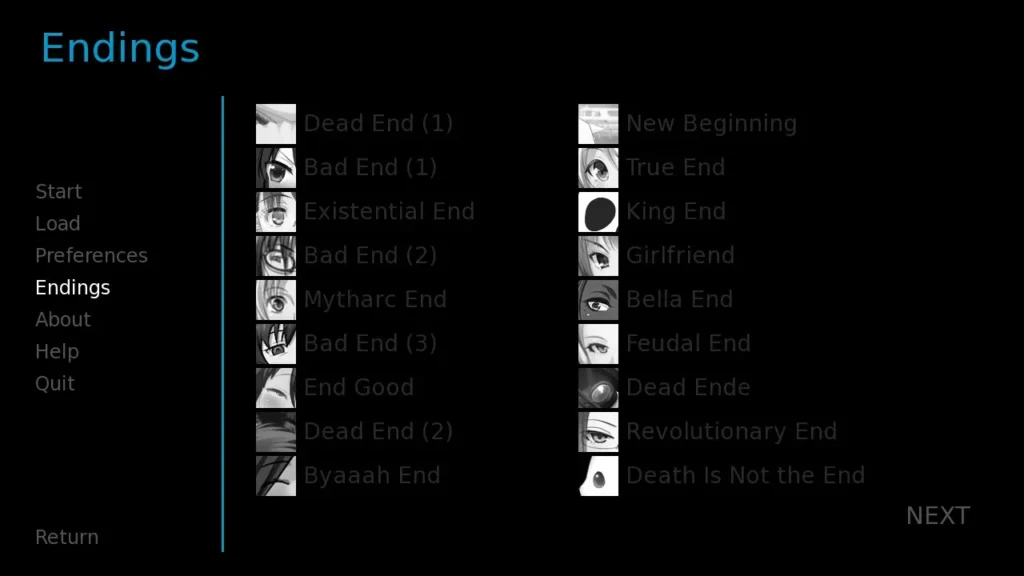
The premise is intentionally intimate. You’re not saving the world; you’re navigating a specific, contained environment and the delicate web of relationships within it. The setting is often a confined space—a house, a retreat, a small community—which serves to amplify the tension and focus purely on character dynamics. The atmosphere can shift from comfortably warm to electrically charged based entirely on your choices and the characters’ moods. The tone is driven by dialogue, internal monologue, and the weight of your decisions. Progression is typically chapter-based, with your choices unlocking different routes, scenes, and endings. A single playthrough might take a few hours, perfect for short, immersive sessions rather than marathon grinds.
In essence, the Boat game experience is about investment. You invest your attention in the characters, your thought into the choices, and your emotions into the outcomes. It’s a story-heavy, dialogue-driven journey where the “gameplay” is the act of choosing who to be in a nuanced social landscape.
To immediately help you see if this aligns with your tastes, let’s break it down:
Boat is likely ideal for you if you enjoy:
* Character-driven stories where personalities and relationships are the main plot.
* Meaningful choices that alter story paths and relationships, not just cosmetic changes.
* Shorter, session-based gaming that feels like reading a few chapters of a good book.
* Atmosphere and tone as key gameplay elements.
* Games that prioritize narrative over mechanical complexity.
You might want to steer clear if you prefer:
* Action-packed gameplay with combat, reflexes, or puzzles.
* Open-world exploration and sandbox freedom.
* Complex resource management, skill trees, or gear systems.
* Lighthearted, family-friendly stories without mature themes.
* Games where the story is a backdrop to other primary activities.
Who will actually enjoy Boat?
Now that we’ve covered what is Boat, let’s drill down into the Boat game audience. This isn’t a game for everyone, and that’s its strength. It knows exactly what it is and who it’s speaking to. Based on my time with it and talking to other players, here’s a clear picture of the ideal passenger for this particular Boat.
First and foremost, Boat is for the story lover. This is the player who remembers characters long after the credits roll and replays not for a higher score, but to see a different side of a conversation. If you enjoy visual novels, narrative adventures like those from Telltale’s heyday, or even slow-burn dramatic TV series, you’re in the target demographic. The adult narrative game label is key here—it’s for players who want stories that aren’t afraid to explore complicated emotions, flawed people, and scenarios with real emotional stakes.
Secondly, it’s for the choice connoisseur. The thrill here isn’t in a perfectly timed headshot, but in a perfectly delivered line of dialogue or a risky decision that pays off chapters later. Do you extend trust to a guarded character, or protect yourself? Do you pursue a moment of curiosity, or choose the safer, more comfortable path? Boat constantly presents these micro-dilemmas, and your personal morality and instincts are the only guide. If you love seeing how a butterfly effect of choices unfolds, you’ll find a lot to love.
Finally, consider your available time and gaming style. The Boat game is perfect for adults with busy lives. You can easily play through a chapter or two in an evening. There’s no need to remember complex combat combos from your last session a week ago; you just jump back into the story. It’s a low-commitment, high-reward experience for when you want to be engaged but not overwhelmed.
To visualize the session style, here’s a quick comparison:
| Traditional Game Session | Boat Game Session |
|---|---|
| Boot up, tackle a quest or two, grind for resources, engage in combat, manage inventory. | Boot up, dive into the next chapter, navigate tense conversations, make pivotal relationship choices, sit with the emotional consequences. |
| Progress is measured in levels gained, items collected, or map areas uncovered. | Progress is measured in secrets learned, trust earned, and story branches discovered. |
| Can require longer, uninterrupted blocks of time to feel productive. | Feels satisfying even in 30-60 minute chunks, like watching an episode of a series. |
In short, if your idea of a great gaming night involves a good story, a drink, and some thoughtful interaction rather than frantic button-mashing, then the Boat game audience definitely includes you. 🍹
My first playthrough experience with Boat
My Boat first impressions were a mix of skepticism and curiosity. I’d seen it pop up in discussions about narrative games, often with a knowing nod about its adult themes. I went in expecting… well, I’m not sure what, but probably something more sensational. What I found disarmed me completely.
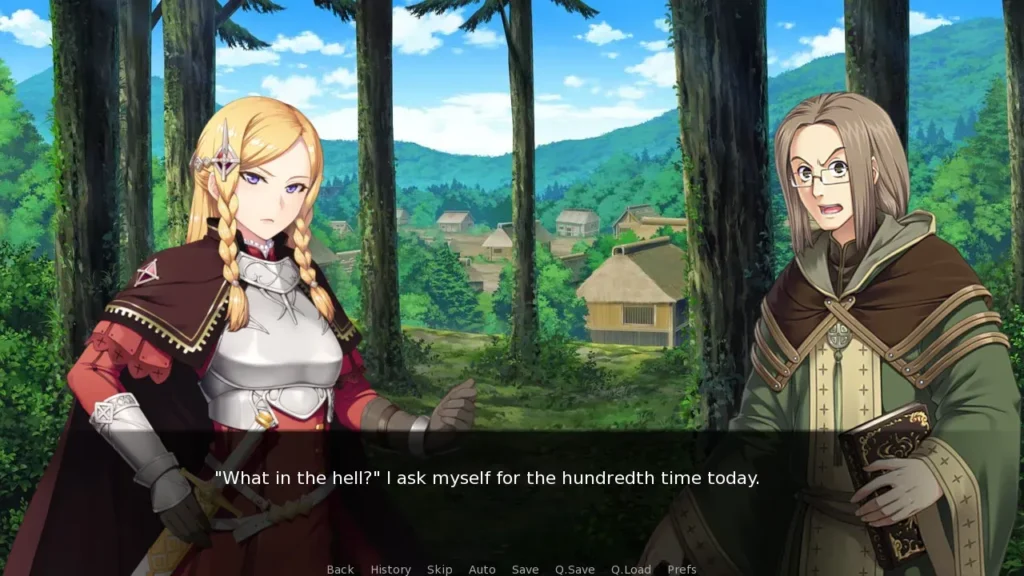
I started my first playthrough late on a weeknight, thinking I’d just check out the first chapter. The art style pulled me in immediately—it was evocative and focused on characters’ expressions and subtle environmental details that sold the mood. The setup was simple: my character arrived at a secluded lakeside house for a sort of informal reunion. The atmosphere was thick with unspoken history and quiet tension.
The “click” moment for me came within the first thirty minutes. I won’t spoil specifics, but I was faced with an early choice that perfectly defined the entire Boat game experience. One character, visibly struggling with something private, had retreated to a porch late at night. I, as the player, had to decide how to approach.
The game presented my options not as “good vs. evil,” but as “comfort vs. curiosity” and “trust vs. risk.” I could:
1. Approach directly, acknowledging their obvious distress and offering company (a risk of intrusion).
2. Make my presence known softly from a distance, giving them an easy out to be alone (a safer, more respectful choice).
3. Ignore the situation entirely and go to bed (prioritizing my own comfort and avoiding potential awkwardness).
I chose option two—the soft approach. The resulting conversation was quiet, layered with subtext, and didn’t magically solve anything. Instead, it built a fragile thread of trust. That was the revelation: Boat isn’t about grand heroic deeds; it’s about these small, human moments. The “gameplay” was in reading the room, both literally and figuratively, and choosing what kind of person I wanted to be in that space.
That first session stretched from one chapter into three. I was hooked not by a cliffhanger action sequence, but by a need to know more about these people and to see where these delicate relationship paths led. I realized I was playing a character-driven drama, and my agency came from shaping its interpersonal dynamics. My Boat first impressions transformed from wary curiosity to genuine admiration for its focused storytelling.
So, if you’re on the fence, ask yourself this: does the idea of influencing a mature, character-focused story through nuanced choices sound engaging? If your answer is yes, then Boat is almost certainly for you. It’s a specific, polished experience for a specific kind of player—and if you’re that player, it offers a uniquely satisfying journey. This Boat game review aims to be that honest guide, helping you see past the name and understand the rich, narrative-driven experience waiting beneath the surface. ⛵
Boat is a compact, adult-oriented narrative game that leans heavily on atmosphere, character interaction, and branching decisions rather than complex mechanics or long grind. If you value story, mood, and meaningful choices over elaborate systems, it can be a surprisingly engaging way to spend a few evenings. My own time with Boat reminded me that smaller games can still leave a strong impression when they commit fully to a specific tone and style. If the premise and structure sound like your kind of experience, giving Boat a focused, distraction-free playthrough is the best way to see whether it earns a place among your personal favorites.