Play Adverse Effects
Adverse Effects Screenshots





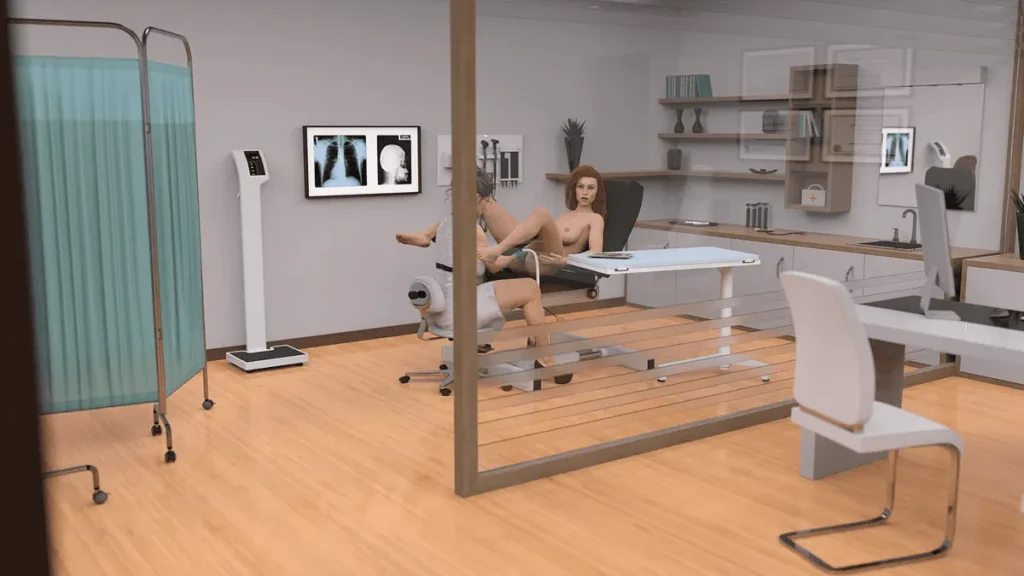





Adverse Effects review
Exploring the real-world impacts on players’ lives and well-being
Have you ever dove into Adverse Effects, the immersive adult game from Abnormalsoftware, only to find hours slipping away? I remember my first session—it started as curiosity about its unique storytelling and interactive elements, but soon I noticed the pull. This niche title blends engaging narratives with mature themes, drawing players into a world that’s hard to escape. But beneath the appeal lie adverse effects that can disrupt daily life, relationships, and mental health. In this article, we’ll unpack the negative impacts of Adverse Effects, from dopamine-driven cravings to real-life fallout, sharing personal stories and practical steps to stay in control. If you’re playing or considering it, read on to protect yourself.
What Are the Main Adverse Effects of This Game?
Ever wonder why the Adverse Effects game feels impossible to quit? You tell yourself, “Just one more choice,” or “I need to see where this story branch leads,” and suddenly three hours have vanished. It’s not just a lack of willpower. 🕰️ The compelling pull of this interactive experience is rooted in sophisticated game design that directly taps into your brain’s reward system. What starts as curious, casual play can subtly shift into a pattern that impacts your daily life, relationships, and well-being.
Let’s pull back the curtain on why Adverse Effects addictive mechanics are so potent and explore the real adverse effects that can emerge when play crosses a line.
How Dopamine Hooks Players into Endless Sessions
At its core, the Adverse Effects game by Abnormalsoftware is a masterclass in engagement. It combines immersive, choice-driven storytelling with adult themes to create a powerful feedback loop. Every decision you make, every narrative revelation, and every visual reward is designed to trigger a release of dopamine—the brain’s “feel-good” chemical associated with pleasure, motivation, and learning. 🧠
This isn’t accidental; it’s neuroscience in action. When you make a choice and get a rewarding outcome (a new scene, character approval, a shocking plot twist), your brain notes the pattern. It learns that interacting with the Adverse Effects game delivers pleasure. This conditions you to return, seeking that same hit. The dopamine addiction Adverse Effects cycle begins because the game excels at variable rewards. You don’t know exactly what you’ll get or when—will the next click lead to romance, conflict, or a deep secret? This uncertainty is incredibly compelling, mirroring the mechanics that make other media so habit-forming.
The novelty and intensity of the game’s adult content amplify this effect. Early on, these elements are highly stimulating. But the brain adapts. Over time, you can build a tolerance, where the initial content no longer provides the same thrill. This often leads players to seek more extreme story paths or invest significantly more time to chase that original feeling. The pursuit of that next dopamine hit is a key reason behind those “just one more minute” sessions that bleed into the night.
Signs of Escalating Dependency in Adverse Effects
Recognizing a problem isn’t always about counting hours; it’s about observing the adverse effects on your life. Dependency creeps in when the game stops being a pastime and starts becoming a priority. Here are some clear Adverse Effects dependency signs to watch for:
- Prioritizing Play Over Responsibilities: You find yourself skipping workouts, working late to make up for lost time, or neglecting household chores because you’d rather be in the game’s world.
- Withdrawal from Real-World Connections: 😔 You decline social invitations, have shorter or distracted conversations with family, or prefer the game’s interactive characters to real people.
- Loss of Control: You consistently play for much longer than you intended. Setting a 30-minute limit turns into a 3-hour marathon, despite your best intentions.
- Mood Regulation: You feel irritable, anxious, or restless when you can’t play. Conversely, the game becomes your primary, or only, reliable way to feel better or escape stress.
- Preoccupation: You think about the game’s story, characters, or choices when you’re not playing—during work, in conversations, or as you try to fall asleep.
- Continued Use Despite Negative Consequences: You know it’s causing sleep deprivation, hurting your relationships, or affecting your job performance, but you feel unable to stop or significantly cut back.
- Secrecy and Defensiveness: 🤫 You hide how much you’re playing from loved ones or get overly defensive if someone questions your time with the Adverse Effects game.
If several of these points resonate, it’s a strong indicator that the adverse effects game dynamics have moved beyond casual entertainment.
Real Player Stories: When Fun Turns Problematic
Hearing from others can shed light on this slippery slope. These player stories Adverse Effects illustrate how the virtual can powerfully impact the real.
Mark’s Story: The Sleepless Cycle
Mark, a 28-year-old graphic designer, downloaded the Adverse Effects game out of curiosity. “The storytelling was next-level,” he shared. “I’d play for an hour after dinner to unwind.” Quickly, “one more scene” became his mantra. He’d promise himself to stop at midnight, only to look up at 3 AM, his mind racing with narrative possibilities. His work began to suffer from fatigue and lack of focus. “I was living in this gripping, fictional crisis while creating real-world problems for myself—missing deadlines, drinking way too much coffee, and feeling constantly drained. The lack of sleep was the first major adverse effect, but it made everything else harder to manage.”
Sofia’s Story: The Overlap and Withdrawal
Sofia’s experience mirrors clinical observations about how intensive interactive adult media can overlap with other compulsive behaviors. A 32-year-old teacher, she found the game during a stressful period. “It was an escape hatch from my anxiety,” she said. The game’s demanding interactive nature began to consume her free time. She withdrew from her book club, stopped seeing friends, and her romantic relationship grew strained. “My real world felt dull and demanding compared to the intense, reward-driven world of the game. I felt a real sense of irritability and loss when I wasn’t playing. It stopped being about fun and started feeling like a need.” This shift from recreational use to a compulsive coping mechanism is a classic hallmark of dependency, highlighting the powerful dopamine addiction Adverse Effects loop.
Taking Back Control: Practical Steps for Quitting Adverse Effects Game Habits
If you see yourself in these stories, know that change is absolutely possible. Quitting the Adverse Effects game or establishing a healthier relationship with it requires intention and practical strategy, not just willpower.
Actionable Tip: Start by tracking your sessions honestly for one week. Use a simple notepad or app to log when you play and for how long. Data defeats denial and shows you the true scale of your habit.
Here are more steps to build your digital detox routine:
- Interrupt the Automation: 🚫 Change your device’s setup. Move the game icon off your home screen, into a folder, or even uninstall it temporarily. Adding friction between the impulse and the action gives your rational brain a moment to intervene.
- Implement Hard Stops: Use a physical kitchen timer or a strict app limit. When the timer goes off, stop immediately. Do not negotiate with yourself for “just one more minute.”
- Replace the Ritual: The brain misses the routine, not just the game. Fill your usual playtime with a deliberate alternative: a walk, a physical book, a puzzle, calling a friend, or a hobby that uses your hands.
- Address the Underlying Need: Ask yourself, “What is this game really doing for me?” Is it stress relief? Boredom? Social connection? Finding healthier ways to meet that core need—like meditation for stress or a new club for connection—reduces the game’s pull.
- Create Accountability: Tell one trusted person about your goal to cut back. Their non-judgmental check-ins can provide crucial support and motivation.
To visualize a starter detox plan, consider this approach:
| Time Since Last Play | Common Challenges | Healthy Coping Actions |
|---|---|---|
| First 24-48 Hours | Strong urges, restlessness, irritability, obsessive thoughts about the game. | Go completely device-free for an evening. Engage in intense physical activity (a long run, gym session) to burn off nervous energy and boost natural endorphins. |
| 3-7 Days | Boredom, feeling a void in downtime, habitual triggers (e.g., after dinner). | Actively schedule your evenings with new activities. Try cooking a complex recipe, starting a model kit, or binge-watching a show on your TV, not your device. |
| 1-2 Weeks | Confidence may grow, leading to risky thoughts like “I can just play for 15 minutes.” | Revisit your original reasons for cutting back. Write down the positive changes you’ve noticed in your mood, sleep, and productivity. Avoid testing your control. |
Remember, the goal isn’t necessarily to never play again (unless you choose that), but to break the cycle of compulsive use and ensure the Adverse Effects game is a servant to your leisure, not a master of your time. 🕊️ The journey involves understanding the powerful adverse effects of its design, honestly assessing your own dependency signs, and implementing compassionate, firm boundaries.
In the following sections, we’ll dive deeper into each of these areas—the neuroscience of the hook, the detailed landscape of dependency, and the empowering stories of those who have reset their relationship with play.
Frequently Asked Questions
Is the Adverse Effects game really addictive?
While not everyone who plays will develop a problem, the game is deliberately designed with highly addictive mechanics. Its use of variable rewards, immersive storytelling, and adult-themed content triggers strong dopamine responses that can lead to compulsive use patterns in susceptible individuals, especially those using it for escapism or emotional regulation.
What’s the first sign I should watch out for?
The most common early red flag is a loss of control over time. If you consistently find yourself playing for hours longer than you planned, despite wanting to stop, it’s a key indicator that the game’s reward cycle is overriding your conscious intentions.
I want to quit the Adverse Effects game, but I keep relapsing. What helps?
Relapse is a normal part of changing any habit. Instead of judging yourself, practice curiosity. What triggered the urge? Boredom? Stress? Loneliness? Quitting the Adverse Effects game is easier when you address the underlying need. Also, focus on progress, not perfection. Each hour or day you regain control is a victory. Consider using website blockers during high-risk times and celebrate the small wins, like choosing to go outside instead of opening the game.
Diving into Adverse Effects can feel thrilling at first, with its captivating stories pulling you in deep, but the adverse effects—from dopamine-fueled cravings and sleep loss to strained relationships—are all too real. I’ve shared stories like mine and others who’ve reclaimed their time by setting boundaries and seeking balance. Remember, awareness is your first step: track your play, prioritize real connections, and consider breaks if it starts controlling you. If you’re feeling the pull, try a week off and rediscover offline joys. Your well-being comes first—take action today for a healthier gaming life.